Navigating Injury Risk: A Necessity for Women Over 35
As women age, the understanding of physical health and fitness evolves. Particularly for those over the age of 35, the importance of injury prevention cannot be overemphasised. Engaging in regular physical activity is vital, yet with increased benefits come heightened risks if appropriate measures are not taken. This section delves into the unique challenges faced by women in this age group and underscores strategies to mitigate injury risk in pursuit of a healthier lifestyle.
Key Factors Influencing Injury Risk
Several factors contribute to the heightened risk of injury for women aged 35 and above. Hormonal changes, particularly during menopause, can affect bone density and muscle strength. Additionally, lifestyle factors such as previous injuries, activity levels, and lifestyle choices also play a significant role. Recognising these elements is crucial for creating an effective and personalised approach to fitness that prioritises safety and promotes longevity in physical activity.
The Role of Load Management in Injury Prevention
A proactive approach to fitness includes appropriate load management. This involves understanding one’s own body capacity and avoiding overexertion, which can lead to injuries. Implementing a well-structured training programme that incorporates gradual increases in intensity, frequency, and duration is essential. This not only fosters strength and endurance but also helps to equip the body to handle physical stress, thereby reducing the likelihood of injuries.

Empowering Through Education
Education is key to fostering a safe exercise environment. Workshops, resources, and professional guidance should be made available to women over 35, helping them to understand their bodies better. Increased awareness of injury risks and strategies to counteract them can empower women, enabling them to pursue their fitness goals with confidence and safety. The Women's Performance Hub is committed to promoting this educational aspect as a cornerstone of wellness for our community.
Take Charge of Your Health
Taking charge of one’s health involves not just being active, but also knowing how to be active wisely. By prioritising injury prevention strategies and embracing appropriate load management principles, women can enjoy the numerous benefits of fitness without the risk of injuries. The pathway to health and wellness becomes clearer when informed decisions are made, contributing to a more fulfilling and active lifestyle for women over 35.
Elevate Your Performance with Effective Warm-ups
At Women's Performance Hub, we understand the unique needs of women over 35 when it comes to fitness and performance. Our dedicated section on warm-ups and prehabilitation techniques provides you with visual aids and comprehensive information designed to enhance your workout experience. These essential methods are aimed not only at improving your athletic performance but also at significantly reducing the risk of injuries. Empower your journey with our tailored strategies.

Dynamic Warm-up Routines
Prepare Your Body for Activity
Dynamic warm-up routines are vital for increasing blood flow and improving flexibility before engaging in more intense activities. These routines can include movements such as leg swings, arm circles, and high knees, specifically designed to prepare your muscles and joints for the demands of your workout. Incorporating these exercises into your routine can enhance your performance and help you feel more energised.

Enhance Your Mobility
Improving Flexibility and Range of Motion
Mobility exercises are crucial for maintaining and improving joint flexibility and range of motion. Incorporating targeted stretches and movements aimed at areas that are often tight can help in avoiding injuries. Techniques such as hip circles and thoracic rotations can play a significant role in improving your mobility, thus contributing to overall performance improvement.
Prehabilitation Techniques for Injury Prevention
Reinforce Your Body’s Resilience
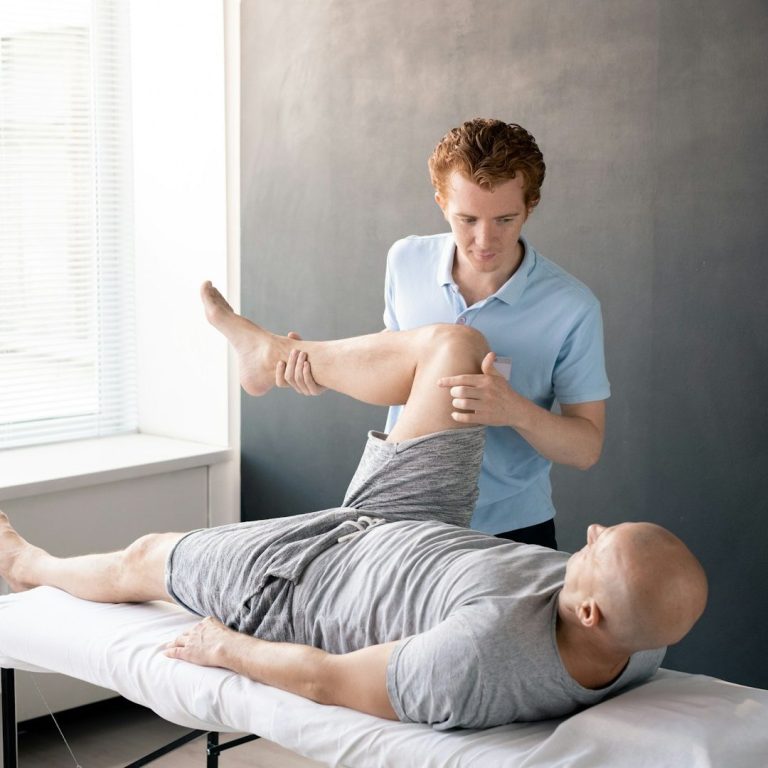
Prehabilitation is all about preventing injuries by strengthening muscles and improving stability. Implementing strategies such as resistance band exercises, targeted core workouts, and balance training can significantly bolster your body’s resilience. These techniques not only support your performance but also cultivate a sustainable workout routine that prioritises injury prevention.

Cooling Down After Workouts
The Importance of Recovery
Cooling down post-workout is just as essential as warming up. This process helps in gradually lowering your heart rate and can significantly aid in recovery. Incorporating gentle stretches or slow-paced movements during your cool down can help reduce muscle soreness and enhance your flexibility, ensuring you are well-prepared for your next workout.
Avoiding Injury: Key Mistakes and Solutions
At Women's Performance Hub, we understand that injuries can derail your fitness journey. This section provides an in-depth look at common mistakes that often lead to injuries and offers practical prevention strategies to keep you on track. Whether you're a seasoned athlete or just starting out, being aware of these pitfalls can help protect your body and enhance your performance.
Identifying Common Injuries
Injuries can stem from a variety of sources, including improper form, overtraining, and inadequate recovery. Being able to identify common injuries, such as sprains, strains, and stress fractures, is crucial. Recognising the signs early can prevent a minor issue from developing into a more serious condition.
Understanding Form and Technique
One of the most frequent contributors to injury is improper form during exercise. Whether lifting weights or performing cardio, using incorrect technique can place undue stress on joints and muscles. It’s vital to learn and maintain correct form, possibly by working with a qualified trainer who can provide guidance tailored to your individual body mechanics.
Incorporating Warm-Up and Cool-Down Routines
Skipping warm-ups and cool-downs is a mistake many make. Warm-ups prepare your body for exercise by increasing blood flow to the muscles, while cool-downs help to gradually decrease your heart rate and prevent stiffness. Developing a consistent routine that includes both can significantly reduce your risk of injury.
Establishing a Balanced Training Programme
Overtraining is another common mistake that can lead to injuries. It’s essential to create a balanced training programme that includes rest days, cross-training, and strength training. Integrating weekly injury prevention systems, such as mobility work and flexibility training, into your routine can enhance your performance while protecting your body from harm.