The Critical Role of Recovery After 35
As women age, particularly after the age of 35, the body undergoes various physiological changes that significantly impact performance and recovery. It is essential to understand these changes to optimise training and health outcomes. Recovery is not merely a luxury but a necessity for maintaining performance levels and overall well-being.
Understanding Physiological Changes
From hormonal fluctuations to changes in muscle mass, these physiological shifts can influence how quickly the body recovers from exertion. Understanding these changes is vital for tailoring training regimens that accommodate the unique needs of women over 35. By recognising the body's requirements, individuals can adapt their recovery strategies accordingly.
Prioritising Sleep Quality
Sleep quality plays a pivotal role in recovery, particularly as we age. Poor sleep can lead to diminished athletic performance, increased fatigue, and prolonged recovery times. Establishing a healthy sleep routine, which includes setting regular sleep and wake times, creating a restful environment, and limiting exposure to screens before bed, is essential for enhancing recovery.

The Importance of Nutrition
Nutrition is a cornerstone of recovery, especially after 35. As metabolism slows, the body requires a diet rich in essential nutrients to support recovery processes. Incorporating a balanced intake of proteins, healthy fats, and carbohydrates, alongside adequate hydration, can significantly improve recovery times and overall performance. Customising dietary choices to meet individual energy needs is vital.
Active Recovery Techniques
Active recovery techniques, such as gentle yoga, walking, or swimming, can facilitate recovery more effectively than complete rest. These activities promote circulation, reduce muscle soreness, and enhance flexibility. Integrating such techniques into one's routine can lead to improved performance and faster recovery, contributing to long-term athletic success.
Unlocking Peak Performance Through Sleep
At the Women's Performance Hub, we understand that sleep is not just a passive recovery state; it is an integral component of athletic performance. In this section, we showcase a curated image grid designed to underscore effective sleep habits, performance techniques, and recovery equipment essential for optimising athletic output. Each image serves as a visual representation of the profound connection between quality sleep and improved performance, reinforcing our commitment to empowering women athletes through education and innovation.

The Power of Quality Sleep
Sleep Strategies for Athletes
Quality sleep is foundational for recovery and performance enhancement. This segment illustrates various sleep strategies, such as optimal sleep environments and pre-sleep routines that can help athletes achieve restful nights. The images depict well-organised sleeping spaces and calming bedtime practices.

Enhancing Performance Through Sleep
Techniques to Maximise Output
Understanding the science behind sleep can lead to significant gains in athletic performance. Here, we present techniques that connect sleep cycles with training schedules, emphasizing how athletes can strategically time their rest to align with peak performance periods.
Innovative Equipment for Recovery
Tools to Aid Restorative Sleep
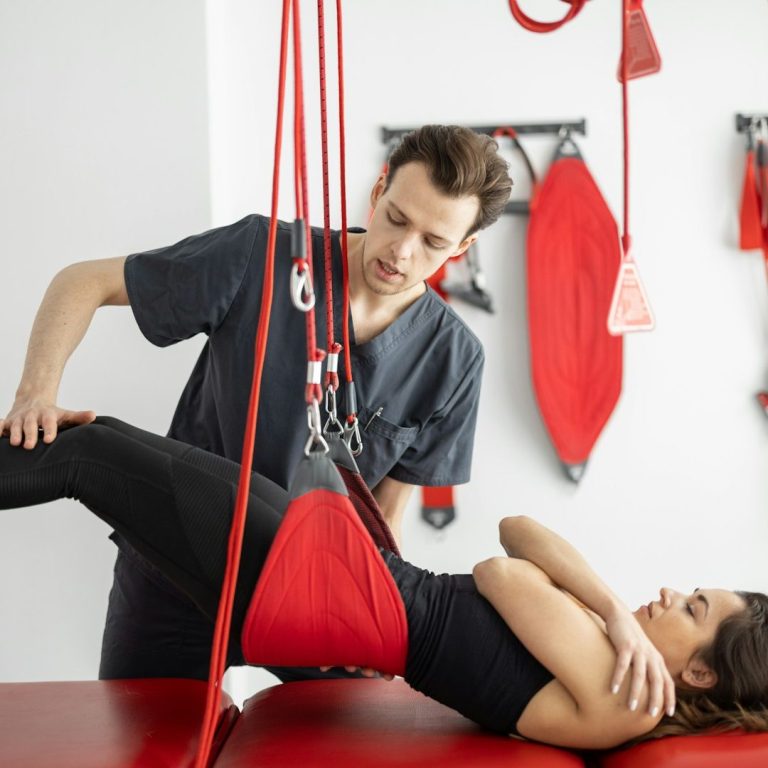
This section highlights innovative recovery equipment that enhances restorative sleep. From specialised mattresses to sleep trackers, the images showcase tools designed to optimise sleep quality and thus improve recovery processes, aiding athletes in achieving their best.

Sustainable Sleep Habits for Athletes
Long-term Strategies for Success
Adopting sustainable sleep habits can transform an athlete’s overall performance. This segment features images depicting daily routines and practices that contribute to consistent sleep quality, such as relaxing pre-sleep rituals and effective time management strategies.
Empower Your Performance: Effective Fatigue Management Strategies for Women
At Women's Performance Hub, we understand that fatigue is a nuanced challenge that can significantly impact a woman's training and overall well-being. Our comprehensive guide delves into effective strategies designed specifically for women, enabling you to manage fatigue and maintain peak performance. Recognising the early signs of fatigue is crucial; these might include a decrease in motivation, prolonged soreness, or altered sleep patterns. By being attuned to these signs, you can take preemptive actions to mitigate fatigue.
Recognising the Signs of Fatigue
Fatigue manifests in various ways, and as athletes, women must learn to identify these signals early on. Indicators may include chronic tiredness, irritability, and difficulty concentrating. Understanding your body and its needs allows for timely adjustments to your training regimen, reducing the risk of burnout and injury.
Adjusting Training Loads for Recovery
Adjusting your training load is instrumental in managing fatigue effectively. Incorporating a mix of intensities in your training sessions will not only promote performance but also facilitate recovery. Gradually increasing load and incorporating lower-intensity days can help maintain energy levels while still progressing your fitness goals.
The Importance of Recovery Days
Recovery days are vital in any training programme, especially for women who often juggle multiple responsibilities. These days are not merely for rest, but for regeneration, allowing your muscles and mind to recuperate. Incorporating active recovery, such as light yoga or walking, can assist in the recovery process without completely halting your routine.
Strategies for Enhanced Well-Being
For holistic management of fatigue, consider incorporating mindfulness techniques such as meditation or deep-breathing exercises into your daily routine. These practices not only promote mental clarity but also help in reducing stress levels, ultimately contributing to better sleep quality and a more energetic outlook on your training.