Maximising Recovery for Female Athletes
At Women's Performance Hub, we understand the unique challenges female athletes face when it comes to injury recovery. Our injury protocols are meticulously designed, considering the physiological differences and specific needs of women in sports. By incorporating the latest research and evidence-based practices, we aim to prepare athletes for a quicker, safer return to their sports while optimising performance.
Tailored Protocols for Common Injuries
Common injuries like hamstring strains and knee pain can significantly hinder an athlete's performance and growth. Each protocol in this section outlines targeted strategies for assessment, rehabilitation, and prevention, ensuring that our athletes understand the processes necessary for effective recovery. With an emphasis on gradual progression and tailored strategies, our protocols help athletes regain strength and confidence.
Evidence-Based Practices
Our injury protocols are founded on the principles of evidence-based practice, integrating current research with clinical expertise. This approach ensures that each recovery plan is not only scientifically sound but also practical and applicable in real-world settings. Female athletes can trust that our protocols have been designed with their unique challenges in mind, enhancing their overall athletic performance.

Supportive Community and Resources
We believe that recovery is not just a physical journey but also an emotional and mental one. Women's Performance Hub fosters a supportive community where athletes can share their experiences, access resources, and receive guidance throughout their recovery process. We are committed to empowering female athletes at every stage of their journey, from injury through to peak performance.
Continued Education on Injury Prevention
In addition to recovery, our protocols include comprehensive education on injury prevention strategies. By focusing on safe training techniques, warm-up routines, and strength-building exercises, we aim to equip female athletes with the knowledge and tools they need to minimise the risk of injury. Education is key to long-term athletic success.
Visual Rehabilitation Techniques for Optimal Recovery
At Women's Performance Hub, we believe that understanding the rehabilitation process is crucial for recovery. Our dedicated section on Visual Rehabilitation Techniques showcases a wide array of exercises specifically designed for various injuries. Each visual aid ensures that you can follow proper movements to facilitate effective recovery. Explore our comprehensive library of images and techniques tailored for women, guiding you every step of the way to regain strength and functionality.
Knee Injury Rehabilitation
Targeted Techniques for Recovery
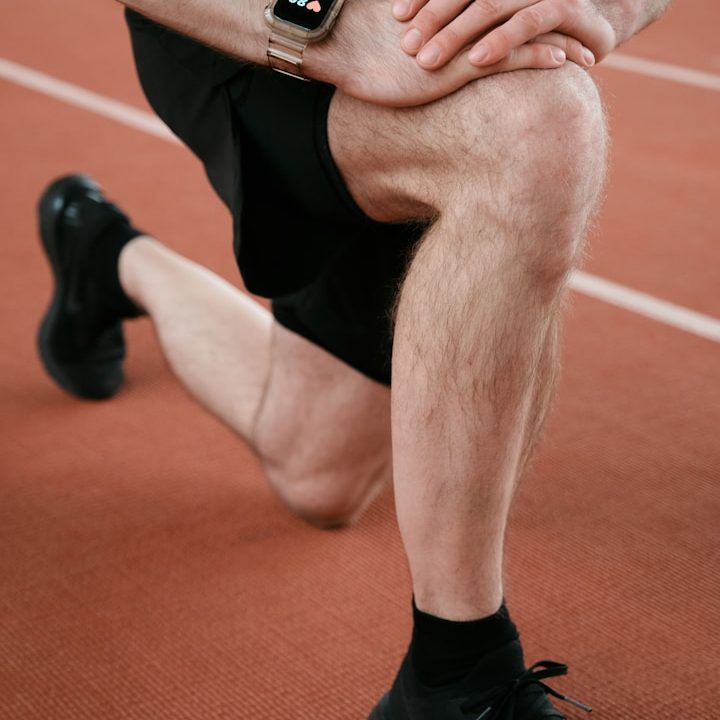
Knee injuries can be particularly challenging, but with the right exercises, recovery is attainable. Our visual aids include step-by-step images demonstrating essential knee rehabilitation techniques. These exercises focus on strengthening the muscles around the knee, enhancing stability, and improving overall mobility.

Ankle Rehabilitation Strategies
Restore Flexibility and Strength
Ankle injuries require a careful and focused rehabilitation approach. In this section, you will find detailed images of exercises aimed at restoring flexibility and strengthening the ankle. Our visual aids guide you through crucial stretching and strengthening techniques to promote healing and return to activity.
Shoulder Injury Recovery
Rebuild Mobility and Function
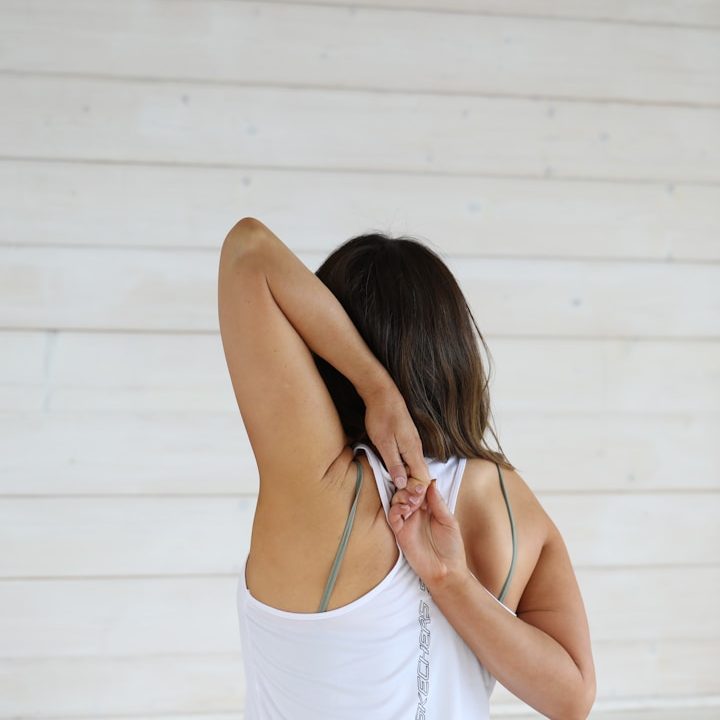
Recovering from a shoulder injury demands patience and precise execution of rehabilitation exercises. We provide visual demonstrations of key movements designed to enhance mobility and strength in your shoulder. Follow along with our visual aids to ensure that you are performing each exercise correctly for optimal recovery.
Hip Rehabilitation Techniques
Enhancing Hip Functionality
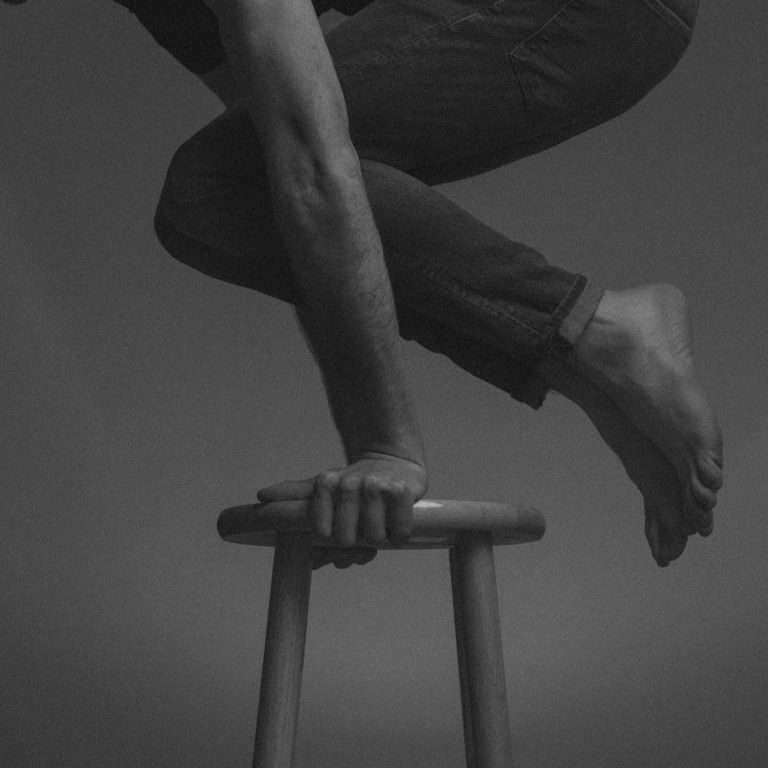
Effective rehabilitation of hip injuries involves engaging in targeted exercises that promote mobility and strength. Our visual aids highlight essential hip rehabilitation techniques, helping you navigate through a structured recovery plan. These images illustrate proper form and technique, ensuring that you can safely regain full function.
Comprehensive Injury Protocols for Women Athletes
At Women’s Performance Hub, we recognise the unique challenges faced by female athletes when it comes to injuries. Our detailed protocols provide essential guidance for recovery from common injuries including hamstring strains, Achilles tendonitis, knee pain, hip injuries, back strain, and calf problems. Each protocol is designed with the female athlete in mind, ensuring tailored advice that prioritises your specific needs and circumstances.
Hamstring Injury Protocol
Hamstring injuries are prevalent, particularly in sports involving sprinting or jumping. Our recovery protocol includes initial rest, followed by gradual stretching and conditioning exercises aimed at restoring strength and flexibility. Preventive measures involve proper warm-ups, incorporating strength training, and technique adjustments during physical activity.
Achilles Injury Protocol
Achilles injuries can severely impact mobility and performance. The healing process begins with a period of rest and ice therapy to reduce swelling. Transitioning into gentle stretching and eventually strengthening exercises forms the crux of our recovery programme, alongside advice on footwear choices and surface selection for training to prevent recurrence.
Knee Injury Protocol
Knee injuries, including ligament sprains and patellar tendinopathy, necessitate a comprehensive rehabilitation approach. Our protocol emphasizes pain management, functional exercises, and gradually reintroducing activity. Key preventative strategies include strengthening the muscles around the knee and ensuring balance and stability through targeted exercises.
Hip Injury Protocol
Hip injuries can result from overuse or acute trauma and commonly affect performance levels. Our protocol guides you through phases of rest, corrective exercises to improve hip mechanics, and strength-building activities. Preventive measures include consistent flexibility training and attention to overall posture and biomechanics during sport.